Child Care Licensing
Licensing and certification help families know that a program meets health and safety standards.
In Minnesota, child care programs are required to obtain a license unless the program qualifies for an exemption. Licensure ensures that care is provided in a healthy and safe environment by qualified people and meets the developmental needs of all children.
The Minnesota Department of Children, Youth, and Families (DCYF) licenses and monitors child care centers. Family child care programs are monitored by the county. DCYF also certifies and monitors certified license-exempt programs (often called certified centers).
Health and Safety
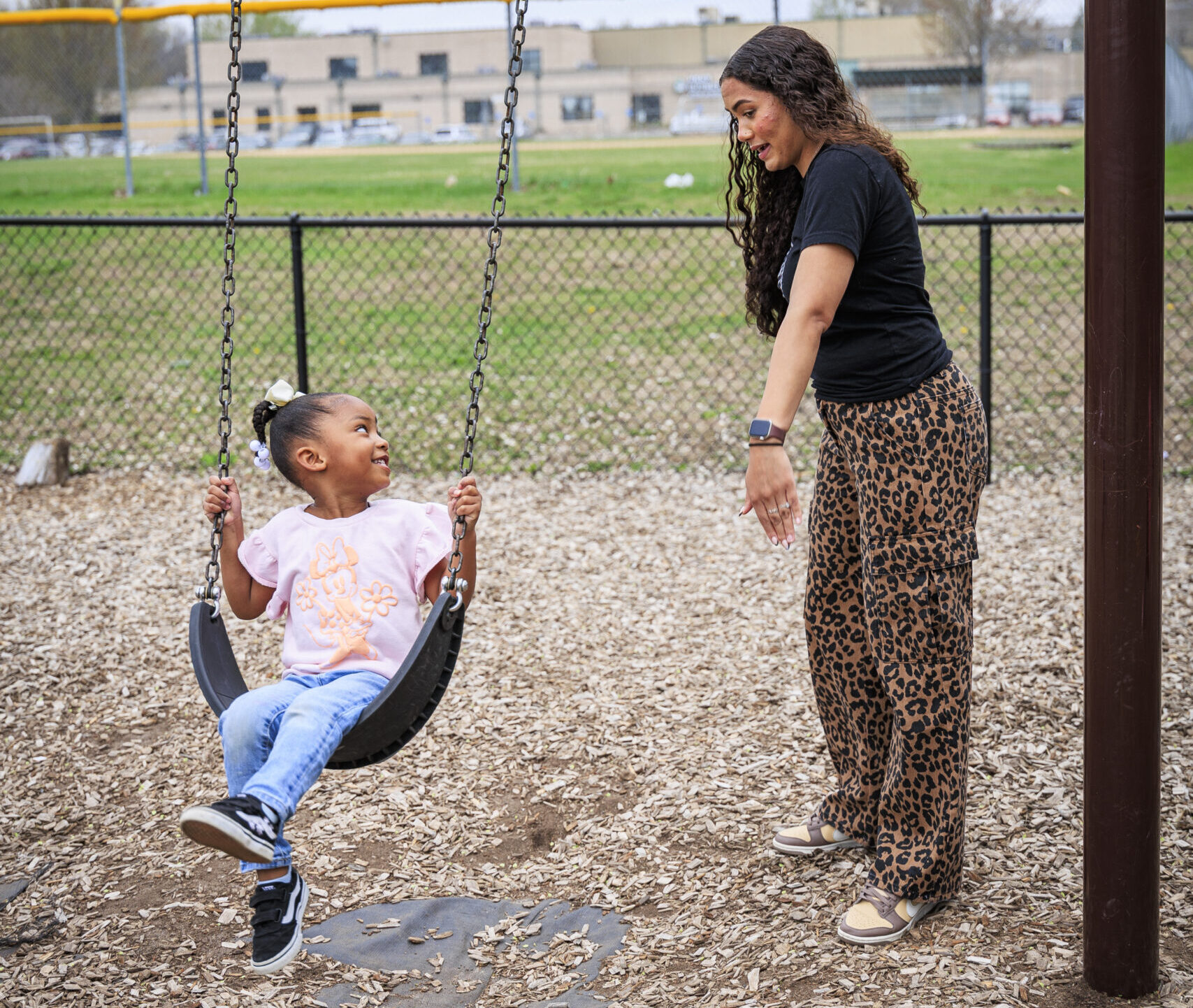
In order to be licensed, child care programs must maintain a clean environment free of safety hazards. Licensed child care programs must follow required cleaning and handwashing practices and keep first aid supplies on hand. The space must also be deemed safe. This includes having working smoke and carbon monoxide detectors, proper emergency exits, gates to block stairways, and sometimes fences.
Ratios
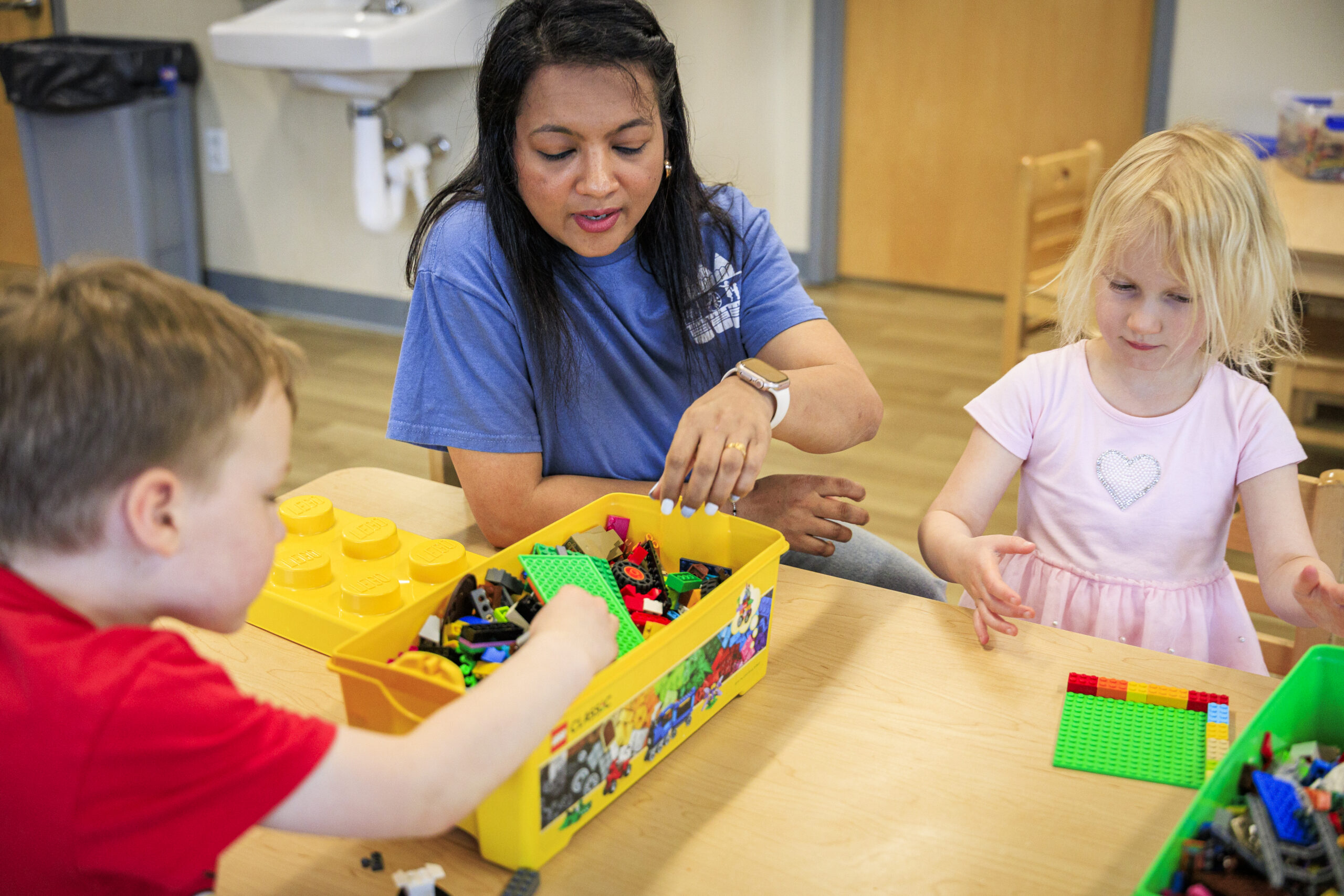
Licensing limits the number of children an early educator can care for at one time. In child care center settings, the number of children allowed per classroom depends on the age of the children. Classrooms with a teacher and an assistant may have more children. Family child care providers often care for children of different ages, so they are limited to a specific number of children per age group.

Training
All caregivers and assistants must complete annual training requirements to be licensed. Full-time child care center staff must complete 24 hours of training per year and family child care providers must complete 16 hours of training per year. Training topics include child development, supervision, first aid, CPR, abusive head trauma (AHT), and sudden unexpected infant death (SUID).

Background Checks
All caregivers, as well as household members ages 13 and older in family child care settings, must complete and pass a criminal background study.
Read more about licensing requirements for child care centers, family child care, and certified centers.
Licensed and certified programs receive an inspection each calendar year to ensure compliance with requirements. Annual licensing reviews for licensed child care centers and family child care programs are unannounced. Annual certification reviews for certified child care centers are announced.
Information about licensed and certified child care programs and inspections is public, so families can view a program’s license and certification history on the Licensing Information Lookup page. Read more about understanding licensing records.
If a licensor determines that a provider is not in compliance with licensing rules and statues, they may cite a violation and issue a correction order to the provider or program. Depending on the severity of the violation, or if it is a repeat violation, licensors may issue additional sanctions, including:
- Fine
- An order to operate under a conditional license
- Suspension
- Temporary Immediate Suspension
- Revocation
When licensors find violations in a certified center, they issue a correction order to the program. If the violation is serious and/or reoccurring, licensors may decertify the program.
Statewide Number: 651-539-8222
Certified and Licensed Child Care Centers: 651-431-6015 or email DCYF.ccc.licensing@state.mn.us.
Licensed Family Child Care: To report concerns about a licensed family child program, contact your local county or tribal licensing agency.
There are child care programs that are exempt from licensure under state law. These programs are often referred to as license-exempt or legally nonlicensed. These programs may be exempt from licensure because they meet other government standards for health and safety.
Other types of programs are license-exempt because of the limited number of children they care for and/or the relationship the provider has with children in their care. Some common examples of these programs, which do not appear in the Parent Aware online search results, include:
- Family, friend, or neighbor care where the provider cares only for related children or children from no more than one unrelated family
- In-home care where the child is cared for in their own home
- Playgroups and exchanges
These license-exempt programs are not monitored by state or county licensors. If you are considering a program that is not licensed, it is recommended that you ask the program about its exemption from licensure.
The federal government requires states to make information available concerning the aggregate number of deaths, serious injuries, and instances of child maltreatment that occur in child care settings each year. This information is available on our Serious Injuries, Deaths, and Maltreatment page.